
Ko Topehaehae ki runga, ko Piakoiti ki raro, ko Waitakaruru i kotahi ai.
The three rivers that have sustained the people of Kai-a-te-mata, the Topehaehae in the South, Piakoiti in the North and the Waitakaruru that joins them.
Ko Topehaehae ki runga, ko Piakoiti ki raro, ko Waitakaruru i kotahi ai.
The three rivers that have sustained the people of Kai-a-te-mata, the Topehaehae in the South, Piakoiti in the North and the Waitakaruru that joins them.
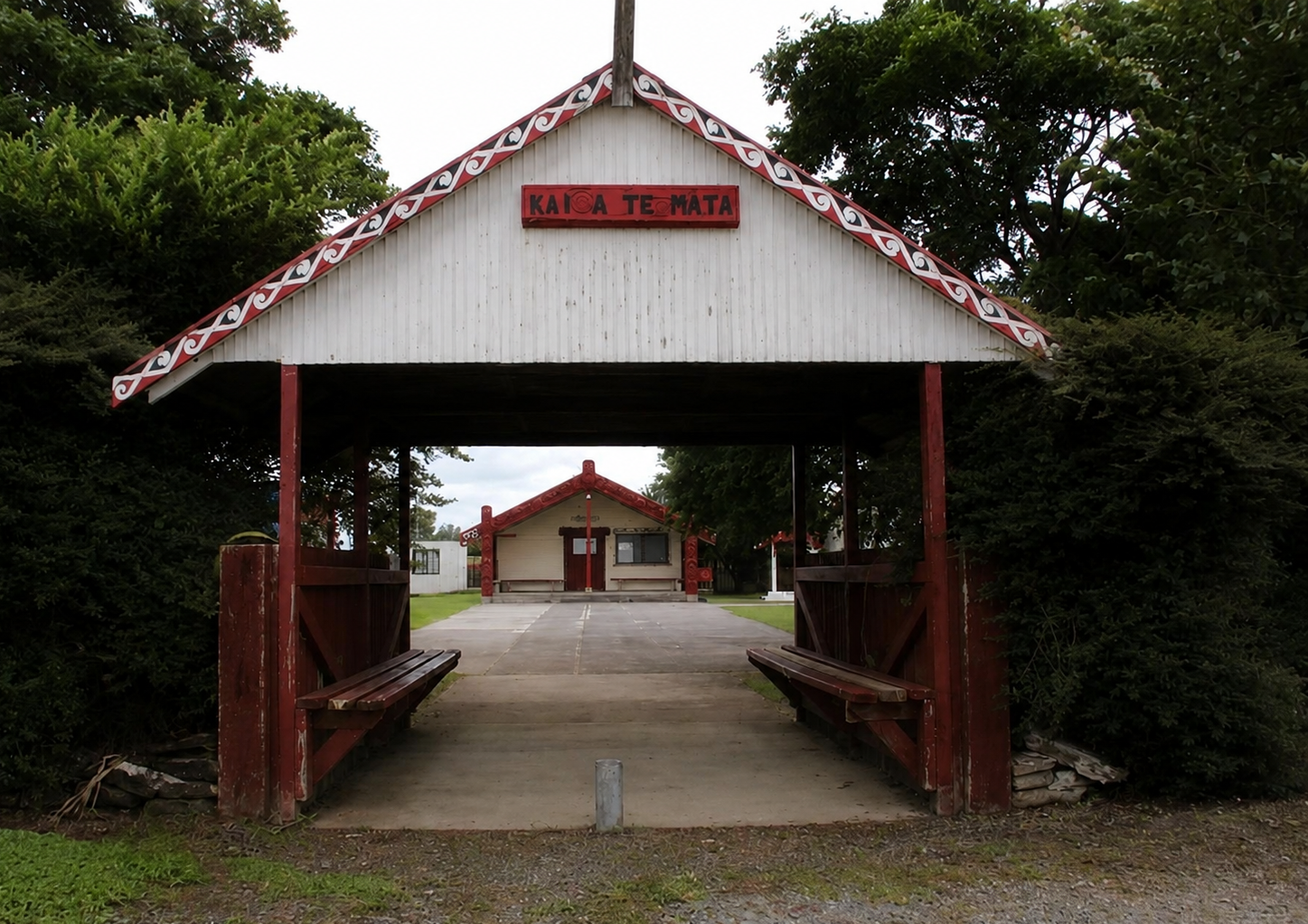
Pepeha
Ko Tainui te waka
Ko ngaa pae maunga e tuu nei
Ko Maungatautari te maunga tangata
Ko Maungakawa te maunga o ngaa taonga
Ko ngaa wai e tere nei
Ko Topehaehae ko Piakoiti ko Waitakaruru ko Waikato
Ko Ngaati Hauaa te Iwi
Ko Ngaati Werewere te hapuu
Ko Kai-a-te-mata te marae
Ko Wairere te whare tuupuna
Ko Tutekapua te wharekai
Ko Tumataura te whare waananga
Ko te Hunga Tapu te whare karakia
Brief History
He ako ano a ratou mo o ratou uri, e pena ano hoki toku matua ki ahau. I ako iho kia mau ki te pai kia atawhai ki te tutua.
These are things that our ancestors taught their descendants, likewise my father also taught me, hold on to what is good and care for the lowly
Tamihana’s statement is a reminder of the stories and teachings passed down to us from our ancestors. Our history written for Kai-a-te-mata whaanau about Kai-a-te-mata and the lives of ancestors and events that help us understand who we are today. Of course, our whaanau is influenced by what’s happening in the world around us and the relationships we have as Ngaati Werewere, Ngaati Hauaa, as a part of the Kiingitanga and as Maaori people in New Zealand.
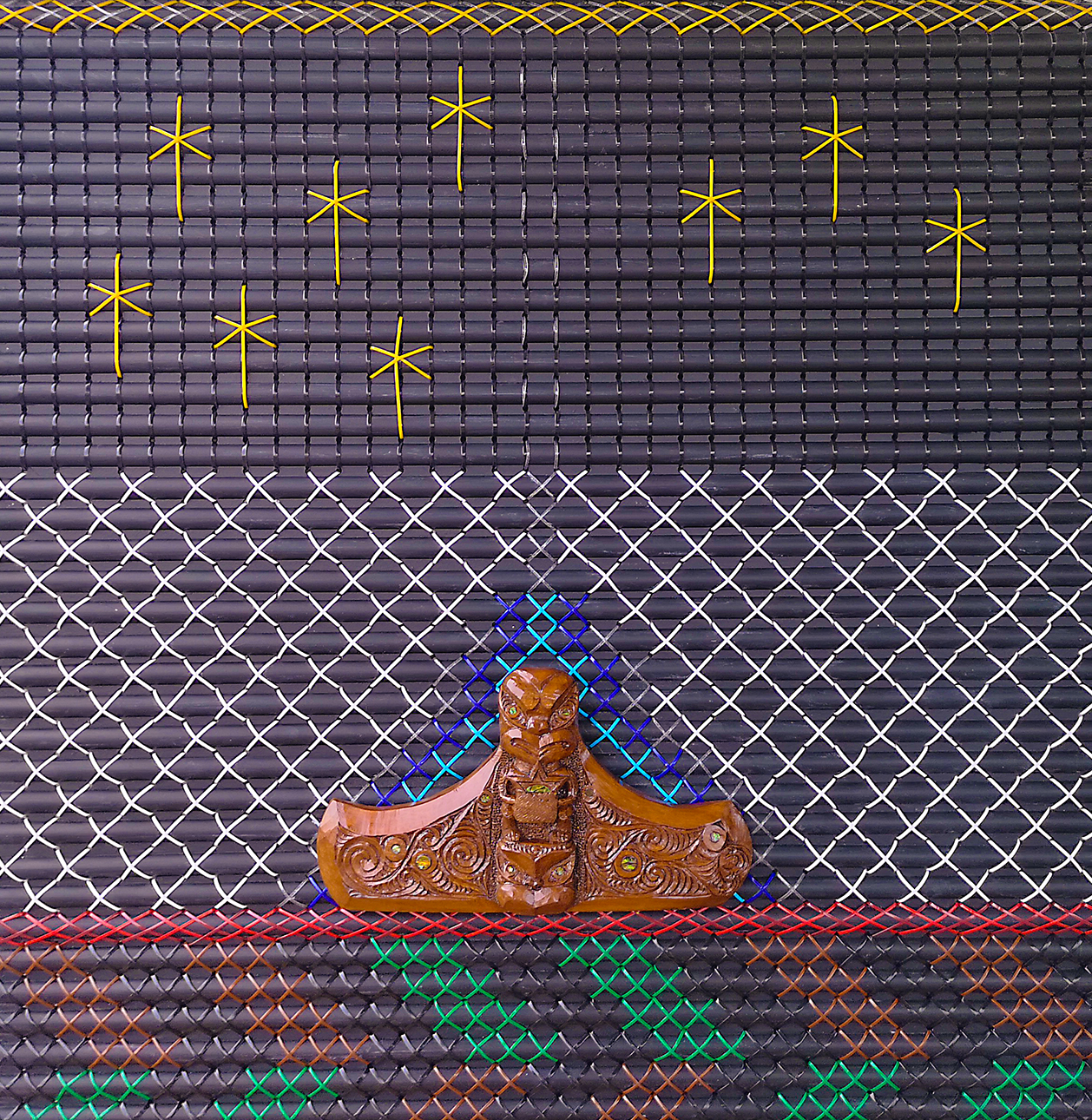
Te Hunga Tapu
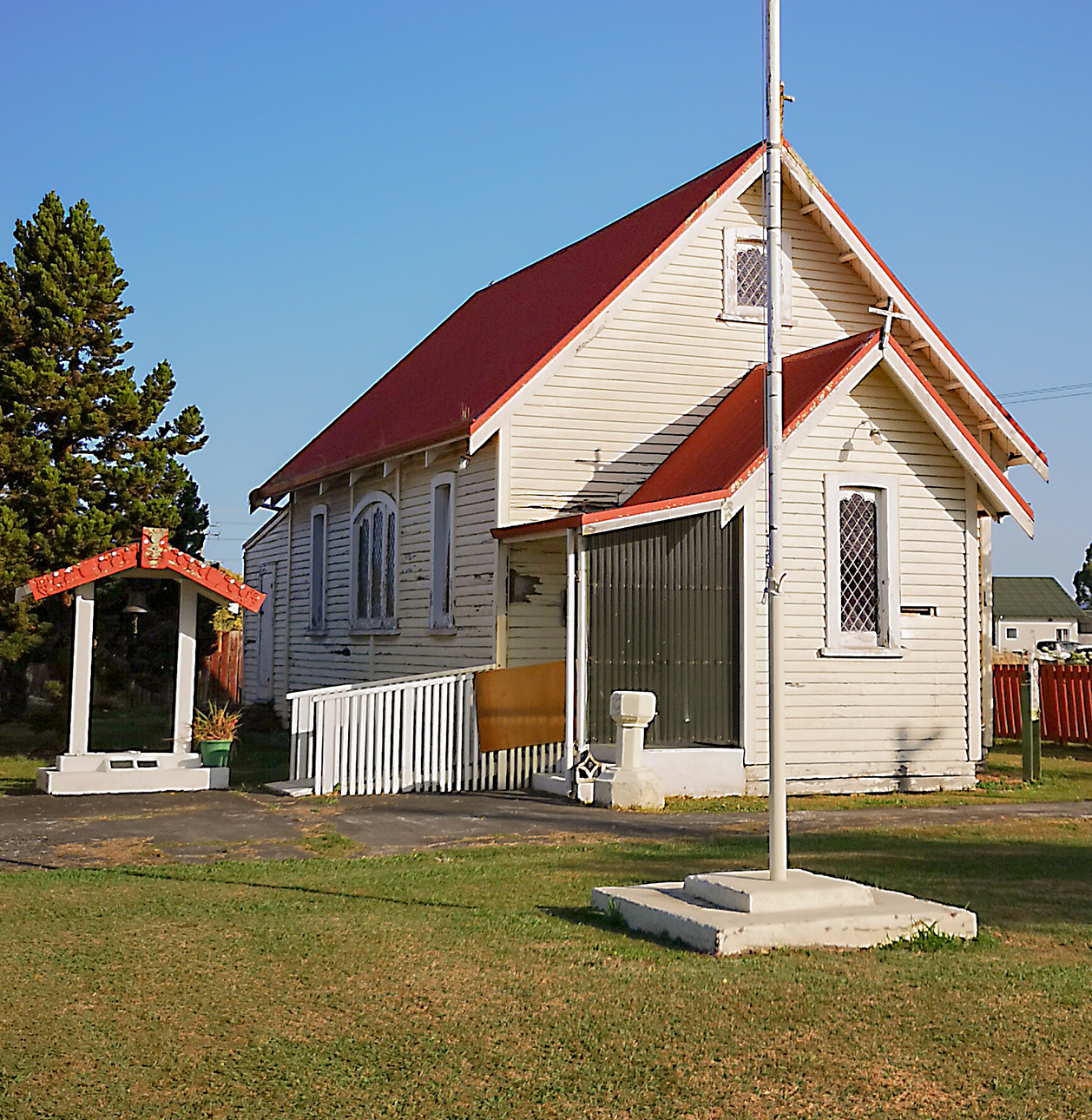
The story of Te Hunga Tapu – All Saints at Kai-a-te-mata Marae is one of devotion, resilience, and generations of faith. Its origins begin in Walton, where the first church was built in 1917 on the site now occupied by the Walton Community Church. Walton was then a bustling rural centre, its railway line connecting and sustaining the surrounding farming community.
By 1956, the ageing wooden church was set to be demolished and replaced with a brick building. Ngāti Hauā kuia Molly (Granny) Hotene, recognising its spiritual and historical value, acted quickly. With the support of the Walton congregation and Kai-a-te-mata whaanau, the church was saved and carefully relocated to the marae, welcomed with aroha.